RESOURCES
| PDF - Printable Version of Case Study | Download |
| Products Used | Typhoon Air Cannon |
|---|---|
| Product Types Used | Air Cannon Solutions |
| Industry | Cement |
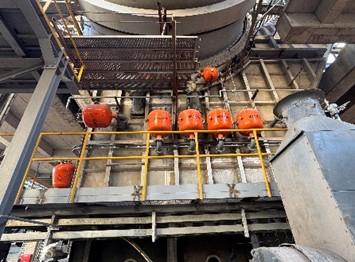
At a large integrated cement manufacturing facility, intermittent material buildup and flow issues were observed across critical process areas operating under high temperature and heavy dust conditions. These included pyroprocessing zones such as preheater tower and clinker cooler lines, as well as upstream material handling areas such as crusher feed zones and raw meal feed points. The buildup resulted in unplanned production downtime, increased energy consumption, and an overall process efficiency loss of approximately 3-4% annually. Frequent manual cleaning was required, exposing personnel to high temperatures and dusty environments, increasing occupational safety risks and placing additional strain on maintenance resources.
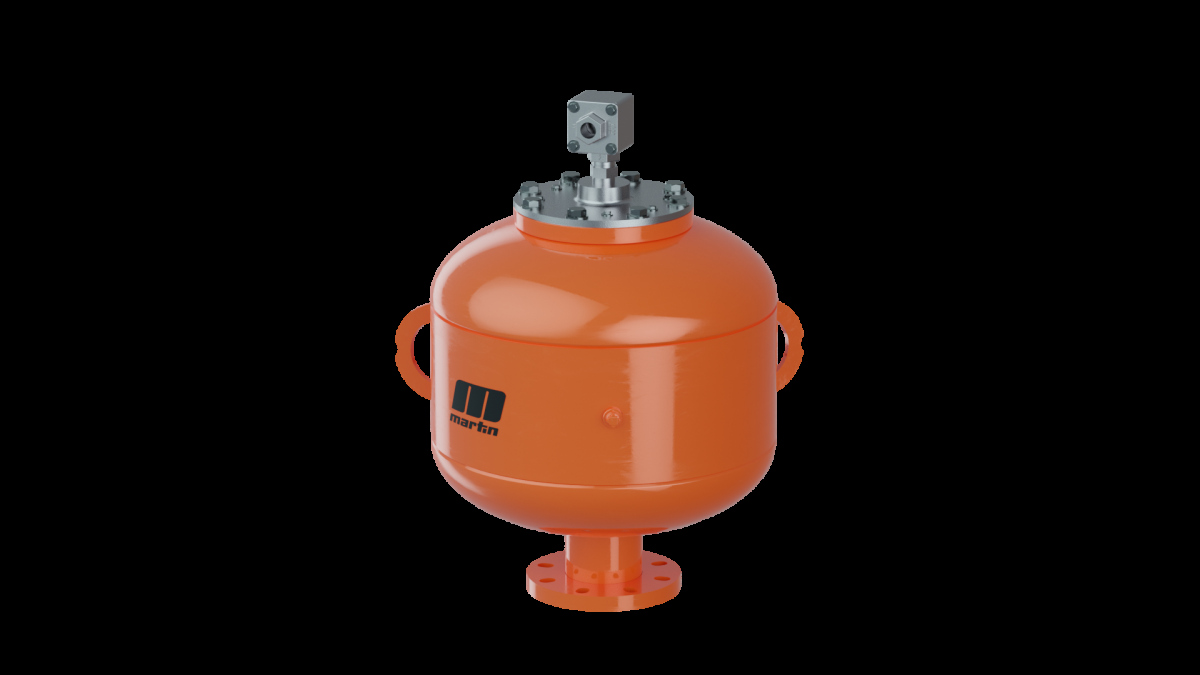
Following a comprehensive on-site assessment, Martin Engineering’s expert team recommended an effective flow-aid solution for blockage-prone areas throughout the plant. A total of 184 Martin® Typhoon Air Cannons were installed at strategic locations with capacities carefully selected to eliminate material buildups automatically using controlled high-pressure air blasts. As part of the upgrade, the system was fully integrated into the plant's automation platform, enabling centralized monitoring and remote operation from the control room. This allowed operators to adjust firing sequences and pressures without entering hazardous areas, improving reliability while minimizing maintenance requirements.
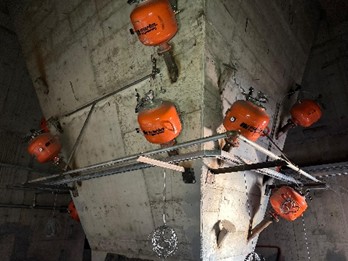
After commissioning, material buildup in preheaters, raw meal silos, crusher feed and clinker cooler lines was effectively eliminated, restoring stable and consistent material flow. Unplanned downtime was reduced by nearly 90%, while daily production output increased by 200 tonnes. Energy efficiency improved by up to 5% due to smoother process operation and reduced blockages. Manual cleaning activities were largely eliminated, significantly lowering occupational safety risks. With real-time monitoring and centralized control, the plant achieved improved operational stability, reduced maintenance costs, and enhanced overall process efficiency.
| PDF - Printable Version of Case Study | Download |
+44(0)115 946 47 46
Martin Engineering Ltd.
Unit 33, The Tangent Business Hub
Weighbridge Road, Shirebrook, NG20 8RX
United Kingdom
Get Directions
info@martin-eng.co.uk
+44(0)115 946 47 46